Summary
What You’ll Learn
- Interesting facts about Mussoorie’s elevation and Himalayan surroundings.
- How Mussoorie got its name and became known as the Queen of Hills.
- The history behind its old buildings, churches and British-era architecture.
- Little-known details about Mussoorie’s nature, local food and everyday life.
- Why places like Landour, Cloud’s End and Lal Tibba are special.
- How Mussoorie’s weather and seasons change the travel experience.
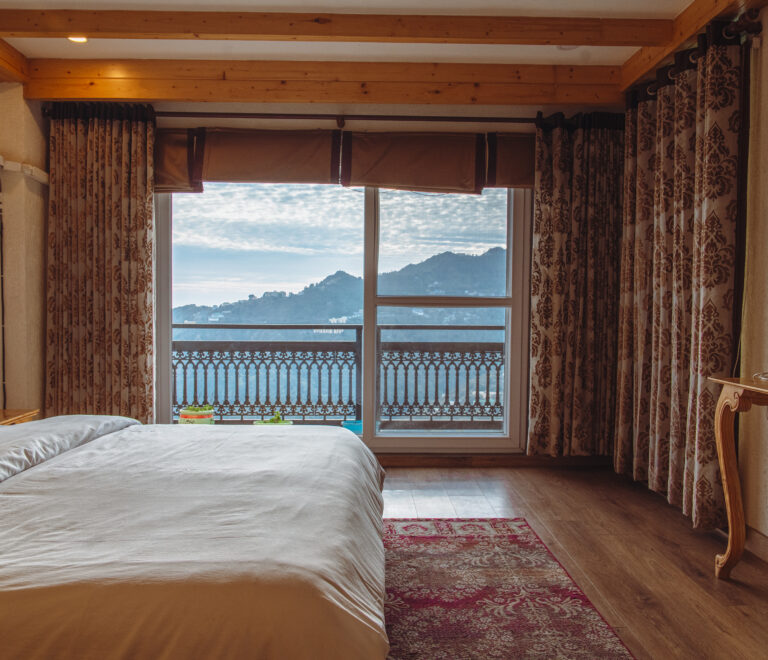
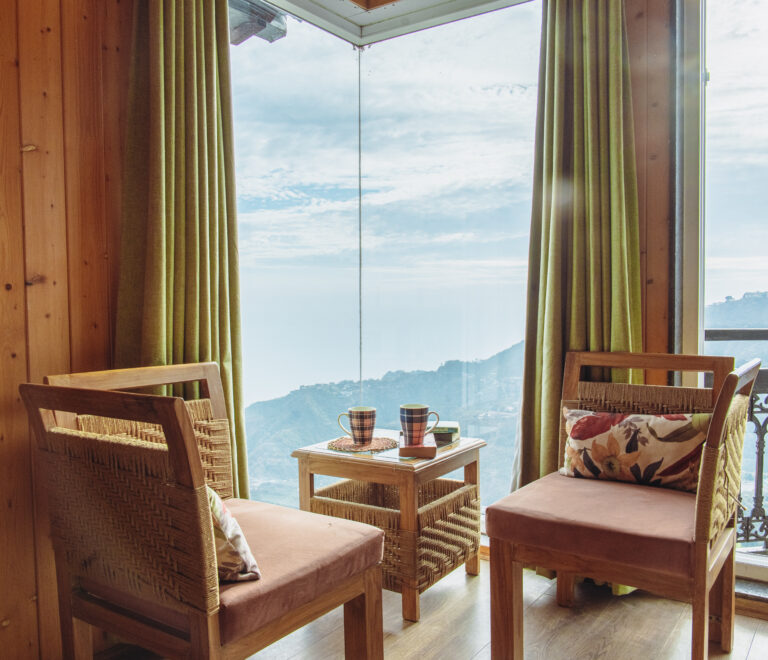
- Why choosing comfortable homestays in mussoorie can make your trip more relaxed.
- What makes a homestay at mussoorie a useful base for exploring the hill town.
Introduction
Mussoorie is one of the most loved hill stations in India. People visit for its pleasant weather, mountain views, old streets, cafés, waterfalls and peaceful surroundings. But there is much more to this hill town than the usual sightseeing places.
Some mussoorie facts are connected with its history, while others are related to its natural beauty, local culture and famous viewpoints. If you are planning a trip and searching for homestays in mussoorie, knowing these little details can make your visit more interesting.
From the story behind its name to the reason it is called the Queen of Hills, this article covers 15 interesting facts about Mussoorie that many visitors do not know.
Mussoorie’s Elevation and the Mountain Setting Behind Its Famous Views
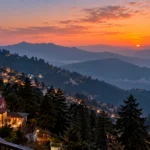
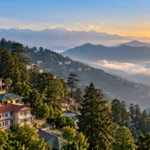
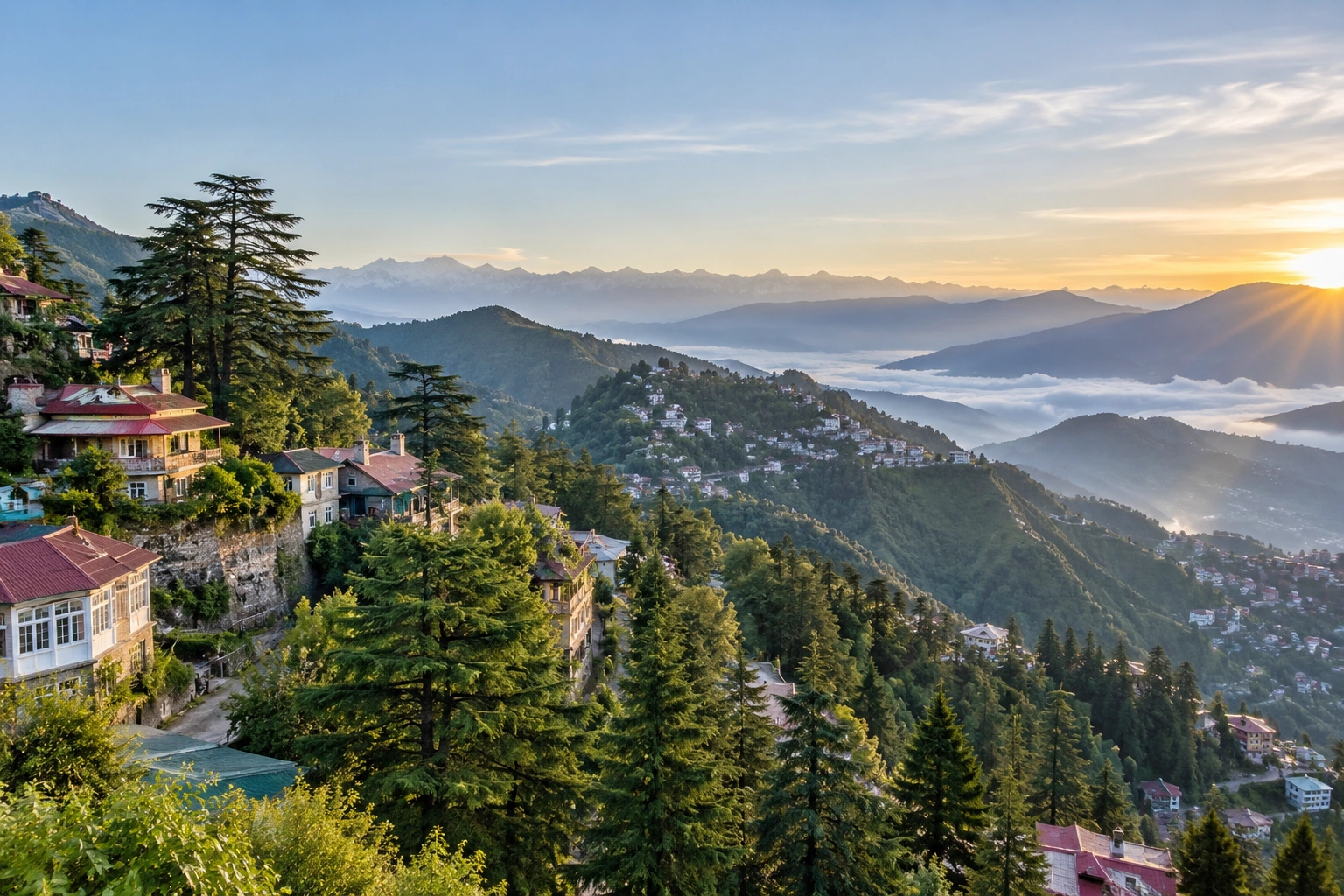
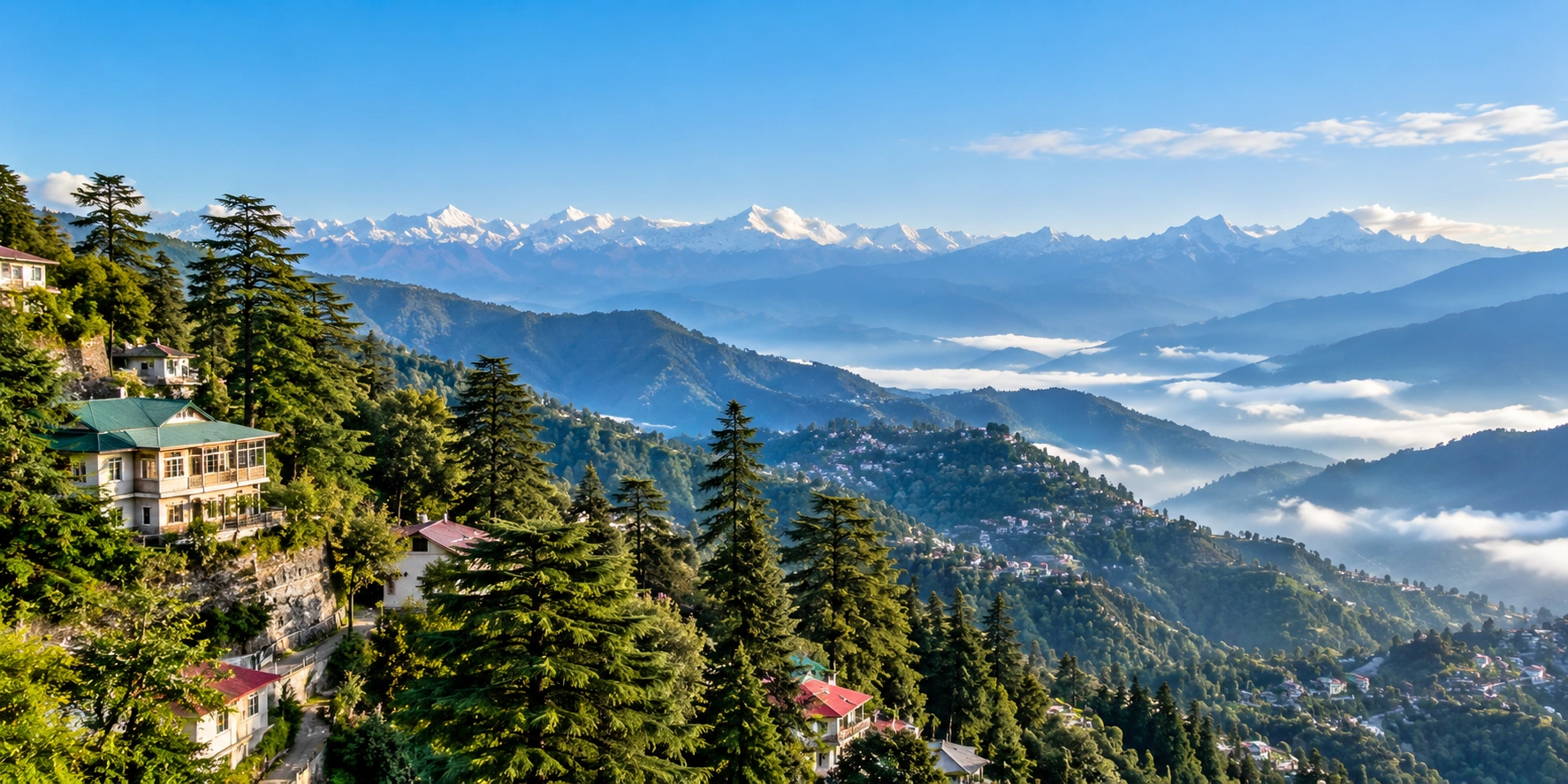
One of the first things that makes Mussoorie special is its location in the Himalayan foothills. The town is built on the slopes of the Garhwal Himalayas in Uttarakhand.
1. Mussoorie sits at a height of around 2,000 metres
Mussoorie is located at an average elevation of about 2,000 metres above sea level. Different parts of the town have different heights because the hill station spreads across slopes, ridges and valleys.
This elevation is one of the main reasons Mussoorie has a cooler climate than many nearby cities. During summer, people from warmer places visit the town to enjoy fresh air and pleasant temperatures.
The height also affects the views. From higher points, visitors can see layers of green hills, deep valleys and distant mountain ranges on clear days.
2. The town is surrounded by Himalayan mountain ranges
Mussoorie is part of the lower Himalayan region. On a clear morning, some viewpoints offer beautiful views towards the higher Himalayan peaks.
Places such as Lal Tibba are popular because they provide a wider view of the surrounding mountains. However, the visibility depends on the season, weather and air quality.
Clouds, mist and rain can cover the mountains within minutes. This changing weather is also a part of Mussoorie’s charm.
3. Mussoorie is built around ridges and slopes
Unlike a flat city, Mussoorie has a naturally uneven landscape. Roads often move uphill or downhill, and many homes are built along mountain slopes.
This is why walking around the town can feel different from walking in a regular city. A short distance on the map may take more time because of steep roads, turns and traffic.
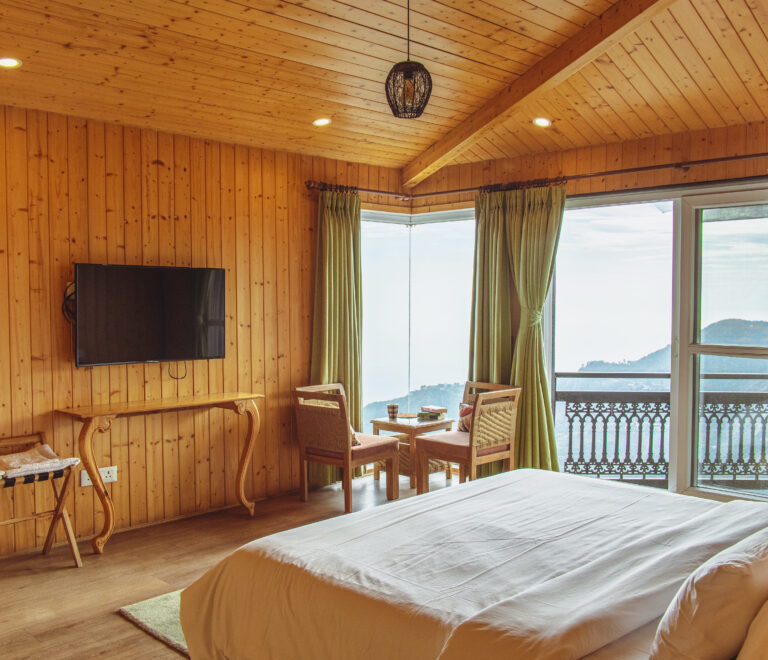
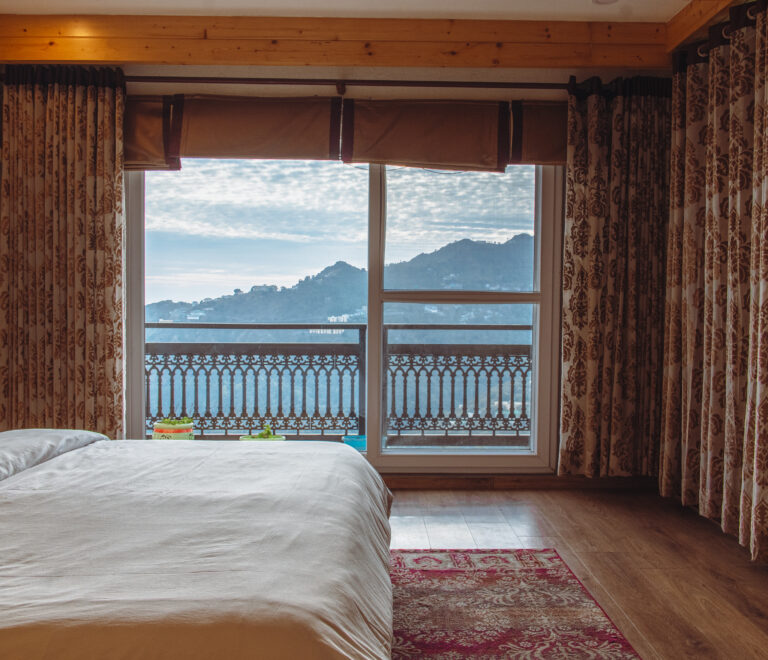
The hillside setting also gives many properties balconies, terraces and windows facing the valley. Choosing a homestay at mussoorie with a good view can make the stay more enjoyable, especially during early mornings and evenings.
4. The weather can change quickly
Mussoorie’s mountain weather is not always predictable. A sunny morning can turn cloudy in the afternoon, while mist may appear suddenly around the hills.
Summers are generally pleasant, monsoons bring greenery and rain, autumn often offers clearer views, and winters bring cold mornings and chilly evenings.
These seasonal changes are among the most useful mussoorie facts for travellers. The best time to visit depends on what you want to experience.
- For pleasant weather, summer is a popular choice.
- For greenery and fewer crowds, the monsoon can be beautiful.
- For clear mountain views, autumn is often preferred.
- For cold weather and possible snowfall, winter attracts many visitors.
How Mussoorie Got Its Name and Became the Queen of Hills
Mussoorie’s name and identity are closely connected with the hills, forests and history of the region. Over time, it developed from a quiet mountain area into one of India’s best-known hill stations.
5. The name Mussoorie is linked with the Mansoor plant
The name Mussoorie is commonly believed to have come from the Mansoor plant, which was found in the area. This plant grew naturally around the hills before the town became a popular tourist destination.
There are different explanations about the exact origin of the name, but the connection with the local vegetation is the most commonly discussed one.
This is an interesting reminder that many Indian hill stations got their names from local landscapes, plants, communities or older regional names.
6. Mussoorie became popular during the British period
Mussoorie developed as a hill station during the British era. The cooler climate made it an attractive place for British officers and families looking for relief from the heat of the plains.
Over time, roads, schools, churches, hotels and other buildings were developed. Many of these old structures still influence the look and feel of the town today.
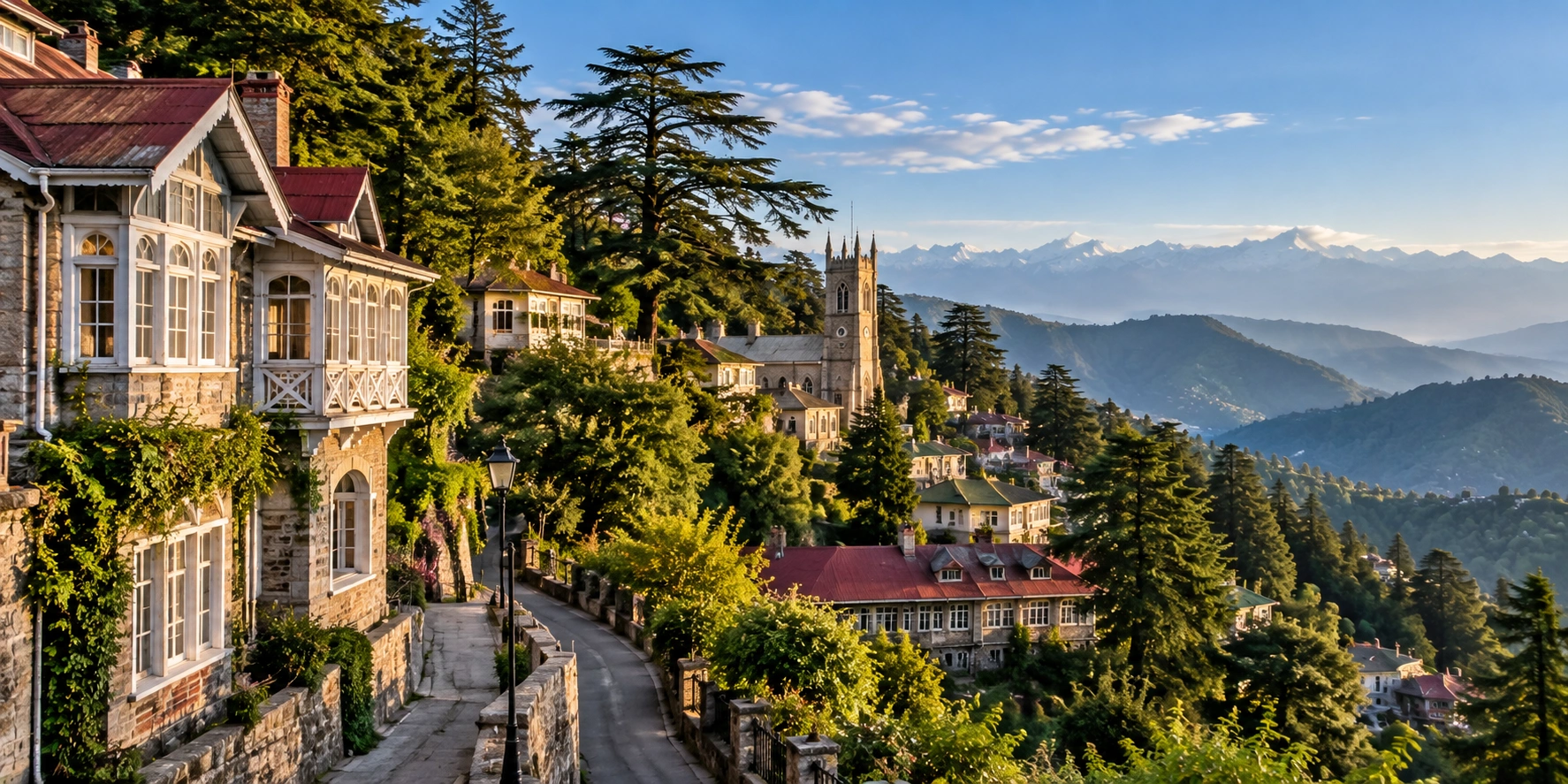
The British influence can be noticed in parts of Mall Road, Landour and other older areas. Stone buildings, wooden details, old churches and colonial-style homes are part of Mussoorie’s visual identity.
7. Mussoorie is known as the Queen of Hills
Mussoorie is often called the “Queen of Hills” because of its scenic setting, pleasant weather and long history as a mountain retreat.
The name is not only connected with its beauty. It also reflects the town’s popularity among travellers, writers, families and nature lovers.
The combination of forested slopes, mountain views, old streets and peaceful corners gives Mussoorie a special personality.
Many people visit once for sightseeing and return later because they enjoy the atmosphere of the town. It is not only a place to see attractions but also a destination where people like to slow down.
8. Mussoorie has a strong connection with education
Mussoorie is also known for its educational institutions. The town and nearby Landour have been connected with schools and learning centres for many years.
Some well-known institutions have helped make Mussoorie more than a tourist destination. Students and families from different parts of India have travelled to the town for education.
This educational background has added to the town’s cultural mix. Along with tourists, Mussoorie has students, teachers, local shopkeepers, writers and long-time residents.
9. Landour has a different character from central Mussoorie
Landour is located near Mussoorie but has its own quiet identity. It is known for old buildings, peaceful lanes, pine trees, cafés and beautiful mountain views.
The area has a slower feel compared with the busier parts of Mall Road. Visitors often enjoy walking around Landour, exploring cafés and noticing the older architecture.
Landour is also associated with writers and artists. Its peaceful surroundings have attracted people who enjoy reading, writing and spending time away from busy city life.
If you are staying at a homestay at mussoorie, a visit to Landour can be a good way to experience a quieter side of the hill town.
The British-Era Stories Hidden Around Mussoorie’s Old Buildings
Mussoorie’s old buildings are not just beautiful backgrounds for photographs. Many of them reflect the town’s past and show how the hill station developed over time.
10. Mall Road was once connected with British-era social life
Mall Road has always been one of the most important parts of Mussoorie. During the British period, it became a popular place for walking, meeting people and spending time outdoors.
Today, Mall Road is known for shops, cafés, restaurants, hotels and busy evening walks. But the area still carries traces of its older character through buildings and streets.
Some parts have changed over the years, but the main idea remains the same: Mall Road is a central place where visitors experience the social side of Mussoorie.
Staying near this area can also make it easier to explore the town without spending too much time travelling.
11. Churches and old buildings show Mussoorie’s colonial past
Mussoorie has several old churches and heritage buildings. Their architecture often includes stone walls, wooden details, tall windows and sloping roofs.
Christ Church is one of the well-known historic churches in the town. Its location and old design make it an important part of Mussoorie’s heritage.
Such buildings help visitors understand how the town looked during its early development. They also show how religion, education and community life were connected with the growth of hill stations.
12. The town has inspired many writers
Mussoorie has a long connection with literature. Its quiet lanes, changing weather and mountain views have inspired writers and readers for decades.
Ruskin Bond is one of the most closely associated names with the Mussoorie and Landour region. His writing has helped many readers discover the simple beauty of hill-town life.
His stories often bring attention to small details such as old houses, trees, rain, local people and everyday conversations.
This is one of the most memorable mussoorie facts because it shows that the town’s charm is not limited to its views. Its atmosphere has also influenced creative work.
13. The old architecture is designed for mountain weather
Many older buildings in Mussoorie have sloping roofs, thick walls and wooden features. These designs were useful in a hill environment where rain, cold winds and occasional snowfall could affect daily life.
Sloping roofs help rainwater and snow move away from the building. Wooden interiors can also make rooms feel warmer and more comfortable during cold weather.
Today, modern buildings and hotels are common, but the older architecture still gives certain parts of Mussoorie a unique look.
Visitors who enjoy photography can find interesting details in doors, windows, balconies, stone walls and old rooftops.
Little-Known Facts About Mussoorie’s Nature, Culture and Local Life
Mussoorie is famous for its tourist attractions, but the everyday life of the town is equally interesting. Local food, markets, forests and small streets reveal a different side of the destination.
14. Mussoorie has more than one famous viewpoint
Many travellers know about Gun Hill and Lal Tibba, but Mussoorie has several other places where visitors can enjoy scenic views.
Camel’s Back Road is popular for peaceful walks and mountain scenery. Landour offers quiet streets and open views. Cloud’s End is known for its forest setting and peaceful surroundings.
Each place has a different atmosphere. Some are better for sunset, while others are more enjoyable in the morning.
It is worth keeping some free time in your itinerary instead of visiting only the most famous attractions. You may discover a small viewpoint, quiet lane or forest path that becomes the best memory of your trip.
15. Local food is an important part of the Mussoorie experience
Mussoorie’s food culture includes a mix of local Garhwali flavours, North Indian dishes, Tibetan-style snacks and café food.
Visitors can try foods such as:
Momos and noodle-based dishes
Aloo ke gutke
Phaanu
Kandalee ka saag
Local lentil preparations
Chai and simple bakery items
Not every restaurant serves traditional Garhwali food, so it is useful to ask local residents or café staff for recommendations.
Food is also a good way to understand the region. Local dishes often use simple ingredients and flavours suited to the mountain climate.
Local markets show the everyday side of Mussoorie
Markets are not only places for shopping. They are also spaces where visitors can notice local life.
Small shops sell woollens, handmade products, snacks, souvenirs and daily-use items. Some markets are busy with tourists, while others are more connected with local residents.
Walking through these areas can help you understand how the town functions beyond hotels and sightseeing places.
If you enjoy slow travel, spend some time observing the shops, street food stalls, local transport and daily routines. These small details often make a trip feel more personal.
Forests are a major part of Mussoorie’s identity
Pine, deodar and other trees cover many parts of the surrounding hills. These forests help create the fresh atmosphere that visitors associate with Mussoorie.
The trees also change the appearance of the town through the seasons. During the monsoon, the hills look greener, while winter mornings can bring mist, frost and soft sunlight.
Visitors should avoid littering, damaging plants or making loud noise in quiet forest areas. Respecting the surroundings is important for protecting the beauty of the hill station.
Winterline is one of the unusual sights around Mussoorie
During certain winter evenings, visitors may notice a special line of colour across the distant horizon. This is known as the winterline.
It is an atmospheric phenomenon created by the way sunlight interacts with layers of air and particles near the horizon. The effect can look like a soft band of orange, pink or purple across the hills.
The winterline is not visible every day. Clear weather, suitable light and the right atmospheric conditions are needed.
This is one of the most fascinating mussoorie facts for people who enjoy nature photography and unusual weather experiences.
Why These Interesting Facts Make Mussoorie More Than Just a Hill Station
Mussoorie is often included in travel plans because of its famous attractions, but the town has many layers. Its elevation explains the weather, its history explains the old buildings, and its culture gives the town its everyday character.
Knowing these details can change the way you explore the destination.
Instead of only visiting a viewpoint, you may start noticing the mountain setting behind it. Instead of simply walking through Mall Road, you may think about its history. Instead of treating Landour as just another café area, you may notice its quiet architecture and literary connection.
For travellers searching for homestays in mussoorie, these details can also help in choosing the right location. A stay near central areas may be useful for shopping and cafés, while a quieter hillside property may be better for peaceful mornings and mountain views.
A comfortable homestay at mussoorie can give you time to enjoy the town without rushing from one attraction to another. You can start the day with a slow breakfast, explore nearby places, return for a rest and go out again in the evening.
The best part of Mussoorie is that every season offers a different experience:
Summer brings pleasant weather and busy holiday energy.
Monsoon covers the hills in fresh greenery.
Autumn often brings clearer skies and mountain views.
Winter creates cold mornings, cosy evenings and the chance of seeing snowfall or winterline conditions.
The town is also suitable for different kinds of travellers. Families may enjoy easy sightseeing and cafés, couples may prefer peaceful walks, and solo travellers may like the slower rhythm of the hills.
These are the reasons Mussoorie remains popular even after many years. It combines nature, history, culture, food and simple everyday experiences in one destination.
Conclusion
Mussoorie is more than just a famous hill station. Its elevation, history, old buildings, local food, peaceful forests and changing weather make every visit special. These mussoorie facts show why the Queen of Hills continues to attract travellers looking for beauty, culture and quiet moments.
If you are planning a trip, staying at Chalet by The Manor House can give you a comfortable base to explore the town at your own pace. Whether you are searching for homestays in mussoorie for a family holiday or considering a homestay at mussoorie for a peaceful mountain escape, the right stay can make your experience even better.
So, keep your plans flexible, explore beyond the usual tourist spots and enjoy the simple moments that make Mussoorie memorable.
People Also Ask
What is Mussoorie famous for?
Mussoorie is famous for its scenic Himalayan views, pleasant weather, Mall Road, Lal Tibba, Gun Hill, Kempty Falls and British-era charm. It is also known as the Queen of Hills.
Why is Mussoorie called the Queen of Hills?
Mussoorie is called the Queen of Hills because of its beautiful mountain setting, green slopes, pleasant climate and long history as a popular hill station.
What is the elevation of Mussoorie?
Mussoorie is situated at an average elevation of around 2,000 metres above sea level. The height varies slightly across different areas of the hill town.
How did Mussoorie get its name?
The name Mussoorie is commonly linked to the mansūr shrub, which was found naturally in the surrounding hills. The town is also locally referred to as Mansuri.
Who discovered Mussoorie?
Mussoorie became known during the British period after Captain Frederick Young explored the area. The hill station started developing as a summer retreat during the 1820s.
Frequently Asked Questions
Is Mussoorie suitable for a family holiday?
Yes, Mussoorie is suitable for families because it offers scenic places, easy sightseeing options, cafés, markets and activities for different age groups.
Can Mussoorie be explored without a fixed itinerary?
Yes, you can enjoy Mussoorie at a relaxed pace by exploring local markets, quiet streets, cafés, viewpoints and nearby areas without following a strict plan.
What should visitors carry for a Mussoorie trip?
Carry comfortable walking shoes, warm layers, an umbrella or rain jacket and basic medicines. The weather can change quickly in the hills.
Is Landour different from the main Mussoorie town?
Yes, Landour is generally quieter and is known for old buildings, peaceful lanes, cafés, greenery and beautiful mountain views.
How can travellers enjoy the local side of Mussoorie?
Travellers can visit local markets, try regional food, explore less-crowded streets, talk respectfully with locals and spend time beyond the famous tourist attractions.